The moment you spot a nail in the tread or feel a wobble through the steering, the question arrives fast: repair or replace? It sounds simple, yet I’ve watched drivers waste money on avoidable replacements and, just as worryingly, push repairs past the limit of safety. Tyres are the only contact points between your vehicle and the road. The decision you make here, with a patch kit in one hand and a quote for a new set in the other, affects braking distance, aquaplaning resistance, insurance liability, and even how your suspension ages.
I spend my days in and around bays where tyres are mounted, balanced, and fought with. Patterns emerge. Some punctures are textbook repairs that will outlive the rest of the tread. Others look innocent until you flip the tyre off the rim and find a bruised inner liner or a slashed shoulder. No two cases are precisely the same, but there is a clear decision framework that keeps you safe and helps your money go further. If you’re considering tyre fitting in a busy area like Croydon, or planning a tyre change before an MOT, the right call comes down to construction, location of damage, tyre age, load rating, speed rating, and the kind of driving you do.
The anatomy of a tyre matters more than many think
A modern radial tyre is a layered structure. You have the tread, which grips and sheds water; the steel belts beneath that stabilize the contact patch; the sidewall, which flexes to absorb impacts and support load; and the inner liner, which maintains air pressure. A repair is not simply a plug. A proper repair integrates with that structure, restoring airtightness and reinforcing the puncture channel from inside the carcass. When the damage involves the shoulder or sidewall, you are no longer dealing with a small hole in a pressurised bladder. You are dealing with compromised reinforcement in a high-flex area, which is why reputable shops refuse to repair there.
Two facts guide most decisions:
- A puncture in the central tread area, with a small diameter object and minimal internal damage, can be repaired to a professional standard and often lasts the life of the tyre. Any injury to the shoulder or sidewall, any gash wider than a few millimetres, or any evidence of run-flat damage typically rules out repair.
Those statements hold across passenger cars, SUVs, and light vans, with nuance around load rating and speed rating that changes the thresholds.
Where the damage is located decides most outcomes
Not all punctures are equal. A screw embedded at a shallow angle in the centre of the tread is one thing. A cut running across the shoulder blocks is another. The closer the hole sits to the sidewall, the more the flexing forces will open and close that hole at speed, heating the area and stressing the adhesive bond of any patch.
Look at the tyre as three zones. The central tread region, typically taking up about 60 percent of the width, is the safest zone for repairs. The shoulder, that transition from tread to sidewall, is a gray zone that most standards treat as non-repairable. The sidewall, with its lack of tread and constant flex, is off limits. If the offending object is in the central region and of modest size, repair is often justified. If it is in the shoulder or sidewall, plan on tyre replacement.
I’ve seen owners try to nurse a shoulder puncture with a string plug from a roadside kit. It can hold air for a while. Then you take an off-ramp a touch hot on a wet evening, ask that shoulder for lateral grip, the carcass flexes and heats, the plug shifts, and you lose pressure where you need it most. A temporary fix for a short limp to a safe stop is one thing. Treating it as a long-term solution is gambling with your margins.
Size and shape of the injury: why 6 mm keeps appearing
In many repair standards, a round puncture up to about 6 mm in diameter within the repairable zone is considered within scope for a proper mushroom plug-patch. That number isn’t magic. It reflects what a reinforcement patch and vulcanising cement can reliably seal without risking delamination under normal thermal cycles. Go beyond that size, or deal with a slotted cut rather than a clean round hole, and the loads concentrate at the ends of the cut. When you accelerate, brake, and corner, those cuts act like tiny cracks that grow. You might seal the air leak, but you can’t undo the structural compromise.
On 4x4 and light commercial tyres, you sometimes see tougher sidewalls and thicker tread blocks that tempt you into thinking larger injuries are safe to repair. The rule still applies. Heavy loads and higher sidewall flex amplify the risk.
Slow leaks are not always punctures
A tyre that needs a top-up every few weeks may have a puncture in the tread, but it could also have a bead leak or corrosion on the wheel’s rim. Then there are valve cores and stems that harden and seep. A quick dunk test in a water tank finds the source, yet I’ve seen drivers pay for a replacement tyre when the real fix was to clean the rim and replace the valve. A thorough inspection saves money and frustration. In shops that do a lot of tyre fitting, including tyre fitting Croydon services that see a real mix of vehicles, the best technicians always start with a pressure test and visual inspection inside and out before making the call.
Run-flat tyres and the hidden damage problem
Run-flat tyres can drive for a limited distance at a limited speed after losing pressure, thanks to reinforced sidewalls or support rings. The problem is heat. If you drive on a deflated run-flat for longer than the manufacturer allows, the sidewall builds heat, the internal layers scuff, and the rubber fatigues. From outside, it may look decent. Inside, you can find crumbling inner liner and blued patches that signal overheating. Most manufacturers advise replacement if the tyre has been run significantly underinflated. If the low pressure warning came on and you drove more than a few miles, assume replacement. If you stopped almost immediately and the puncture is in a repairable zone within size limits, some shops will repair a run-flat, but many will not, because the margin for error is small.
Age, tread depth, and when a repair stops making sense
Tyre rubber hardens with age, and the compound loses grip long before the last millimetre of tread disappears. In the UK, an MOT test looks at tread depth, but not at age. Most tyre makers suggest replacement at six to ten years from the date of manufacture even if the tread is healthy. The date code on the sidewall tells you the week and year. If a tyre with 3 mm of tread suffers a repairable puncture, should you fix it? If you average 10,000 miles a year, you might see 1 to 1.5 mm of wear in a season, depending on driving and tyre type. A repair may cost a third or less of a tyre replacement new tyre. If you plan to replace the set soon anyway, repair is a sound stopgap. If the tyre is already close to the legal limit or the date code is old, replacing with a fresh tyre is better value than spending on a repair and then binning it a few months later.
Balance matters across an axle, too. Mixing a brand-new tyre with a heavily worn mate on the same axle can upset handling, especially in the wet. For all-wheel-drive cars, mismatched rolling diameters can stress the centre diff. In those cases, a single replacement should be matched by shaving or replacing the opposite tyre to keep diameters close. That might surprise your wallet, but it protects driveline components. Good shops will walk you through these trade-offs so you can choose the least painful path.
The right repair, the wrong repair, and how to tell the difference
A safe, lasting puncture repair is done from the inside with a plug-patch that fills the puncture channel and bonds to the inner liner. The technician demounts the tyre, inspects the interior for bruising or liner scuffing, reams the hole to a clean size, applies vulcanising cement, installs the patch with the stem pulled through, cures it as required, trims the excess, then remounts and balances the wheel. This process restores the airtight layer and ensures the object that made the hole is gone, along with any splinters of steel belt wire that could cut a simple plug from within.
A string or rope plug jammed in from the outside without internal inspection is a temporary roadside measure. It can help you reach a safe place, but it does not qualify as a permanent repair. I’ve cut open tyres that looked “fixed” with exterior plugs and found rusting belts and fretting around the hole. The tyre may hold air until a hot day on the motorway does the final damage.
Shops that take tyre safety seriously will refuse borderline repairs. That refusal is not a sales tactic if they show you the injury and the standards they follow. If a place always says no to any repair and only pushes full replacements regardless of context, try another shop. If you’re seeking a tyre change in Croydon and you hear a clear explanation, see the inside of your tyre, and get options, you are likely in good hands.
Handling, braking, and aquaplaning risks tie back to structure
Everything about tyre repair versus replacement leads back to how the tyre behaves under load. A repaired tyre in good condition, sealed with a proper patch in the central tread, performs much like it did before the puncture. It will still channel water through its grooves, still present a stable contact patch, and still resist squirm in corners. A tyre with compromised shoulders or a repair near the edge risks tread block movement that widens the injury, making the tyre run hotter at speed and reducing its ability to evacuate water. The first time you hit standing water at 60, the car will tell you the truth. That is not the moment to discover a borderline fix.
I recall a compact SUV that arrived after drifting at motorway speed on a wet stretch near Purley Way. The driver had two nearly new tyres on the rear and two mid-life tyres on the front, one of which had a shoulder plug. On inspection, the plugged tyre had separated around the shoulder blocks. The difference in tread depth front to rear combined with a weakened shoulder reduced front-end bite in the wet. Once we fitted two quality tyres at the front and binned the plugged one, the driver felt the steering weight and stability return on the test loop immediately.
Tyre labels, speed ratings, and your driving reality
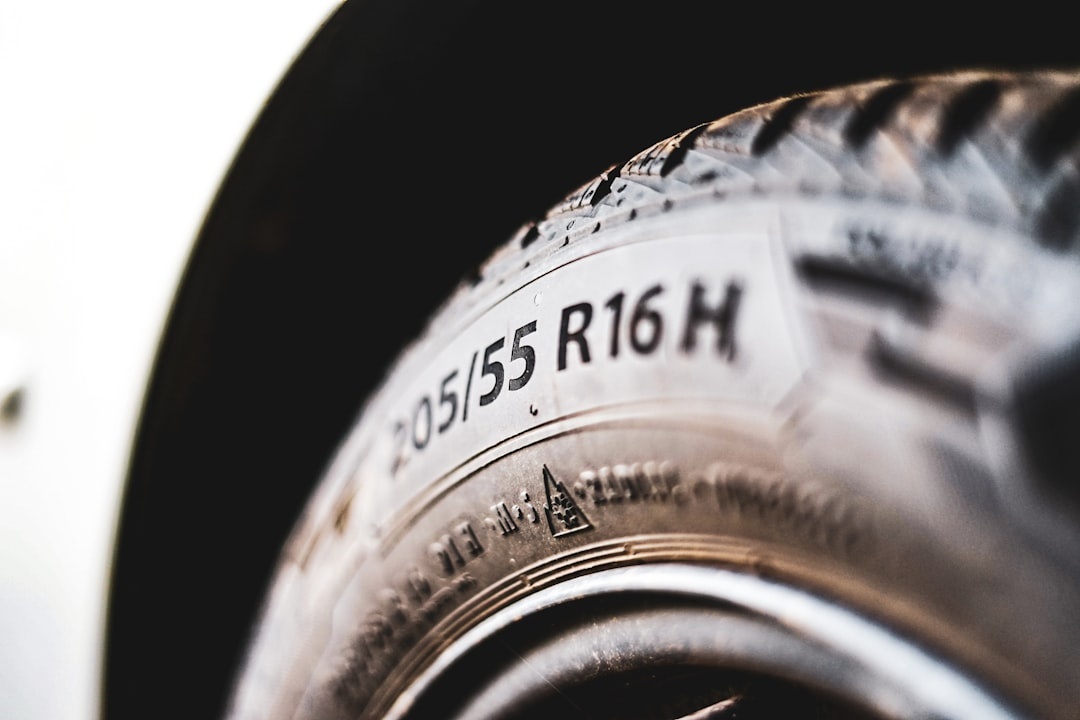
Speed rating and load index aren’t vanity metrics. They tell you the temperature tolerance and structural capacity of the tyre. A V-rated tyre designed for higher sustained speeds runs cooler at motorway pace than a lower-rated equivalent. When you repair a puncture, you are accepting that the tyre will operate near its original performance, but only if the repair is in scope. The higher the rating and the heavier the load, the more conservative you should be about repair size and location.
Consider your driving pattern. If you commute across Croydon’s stop-start traffic with occasional weekend trips up the M23, a well-executed repair on a small, central puncture is perfectly reasonable. If you tow, carry full loads often, or drive long distances at speed, the margin for error shrinks. Replacement becomes easier to justify when the tyre will be asked to run hot for hours.
Economics that don’t ignore safety
The obvious math: a professional puncture repair typically costs a fraction of a new tyre. When the damage is ideal for repair, you save money without sacrificing safety. Where owners get into trouble is in false economy. That might mean patching a tyre already down to 2.5 mm, only to replace it within months, or trying to repair a sidewall and ending up with a blowout that costs a wing and a suspension arm. Replacement makes sense when the tyre’s remaining value is low or the risk is high, even if the short-term cost stings.
There’s a secondary economic layer. Poor tyres wear other components. An out-of-balance or out-of-round tyre beats on shocks and bushings. A mismatched set throws off traction control and ABS calibrations, which are tuned for symmetry. Spending a bit more now can reduce larger bills later. When a technician recommends a tyre replacement in Croydon or anywhere else, ask them to show you the wear pattern. Feathering, cupping, inside-edge wear, and camber wear all tell you about alignment and suspension health. Fixing the cause is as important as fitting the new rubber.
Seasonal tyres, EVs, and other special cases
If you run summer and winter sets, repairing a https://mobile-tyre-fitting.com/ puncture in a seasonal tyre you plan to retire next year might not make sense. But if the tyre is mid-life and the puncture is within scope, repair gives you another season without buying a whole new pair in a hurry. For EVs and heavy plug-in hybrids, tyre selection and condition matter even more. The torque off the line and the extra weight stress the carcass, and many EV-specific tyres carry foam lining for noise reduction. A repair on a foam-lined tyre is trickier, as the technician must cut and replace foam around the patch. It can be done, but not every shop does it. If your EV has a puncture, seek a shop experienced with acoustic foam tyres.
Run-flat systems, again, demand caution. If you enjoyed the safety margin once, respect the limits that made it possible. Replacing a run-flat that did its job is good practice even if your wallet argues.
When a repair gives you back a like-new tyre
There are many cases where I encourage a repair without hesitation. Picture a hatchback with 8 mm of tread on a premium brand tyre, a 4 mm screw in the centre rib, caught within hours of the pressure warning. The inside liner is clean, the belts show no scuffing, and the object’s path is straight. A mushroom plug-patch, rebalancing, and a quick road test later, that tyre is as trustworthy as its three siblings. You preserve matching across the axle, keep the same compound and tread pattern, and avoid introducing a single new tyre that might not play nicely with the others.
Even on performance cars, if the puncture is central and small, a properly executed repair operates without drama. I’ve run repaired tyres on track-day cars for road miles with complete confidence, saving the fresh sets for the circuit. The line I draw is speed. If you’re planning extended high-speed running abroad, or you routinely ask your car for its full envelope, replacing may be wiser. Most drivers, most of the time, get full value from a correct repair.
What a thorough inspection looks like from the bay side
The job begins with the wheel off the car and the tyre deflated and demounted. We mark the injury location and check the inner liner under bright light, looking for discoloration, ripples, or dusting that signals internal abrasion. The beads and rim are inspected for corrosion or previous damage. The puncture channel is probed to confirm size and angle. If it passes those checks, the repair area is buffed to key the surface, cleaned with a dedicated solvent, and treated with vulcanising cement. The patch is applied from inside, stem pulled through, and pressure is applied evenly while the chemistry sets. After trimming the stem, the tyre is remounted. We balance it, fit it back to the car, set pressures to the placard, then torque the wheel nuts properly.
The final step is a drive. Some shops skip it on busy days, but a short loop catches vibrations and confirms a clean balance. If a shop offers you transparent steps like these, you can trust their tyre change process. If you’re getting tyre fitting in Croydon, ask politely how they handle internal inspection and whether they use plug-patches rather than surface plugs. The answer tells you about their standards.
Legal and insurance angles worth noting
In the UK, there isn’t a single statutory law listing repair sizes, but industry standards and British Standard guidelines outline safe repair practice. Insurers and MOT testers expect shops to follow those. If an accident investigation finds an improper repair contributed to a loss of control, liability questions can get messy. It’s rare, but it happens. Keeping invoices and repair notes is sensible. A proper repair record with location, method, and tyre details is cheap insurance against disputes.
For fleets, documented repair policies prevent mixed approaches that create uneven risk. If you run vans across South London, standardising on repair thresholds and replacement triggers keeps your drivers safe and your downtime predictable.
How to choose between repair and replacement without guesswork
If you want a quick decision framework you can use at the kerb or on the phone with a shop, keep it short and weighted toward safety.
- Location: central tread area is potentially repairable; shoulder and sidewall are not. Size and shape: small, clean, round punctures are candidates; slashes and large holes are out. Internal condition: no repair without demounting and inspecting the inner liner and belts. Tyre life: plenty of tread and a recent date code support repair; old or thin tyres push toward replacement. Duty cycle: heavy loads, high speeds, or long runs make replacement more attractive when in doubt.
This is one of two lists allowed; the brevity here serves the purpose. Every other nuance fits into those lines.
Tyre fitting in practice: speed, accuracy, and respect for the wheel
Repair versus replacement is only half the story. When you do replace, workmanship matters. I still see gouged alloys from careless mounting, bent valves from rushed inflation, and TPMS sensors broken by improper bead breaking. A shop that invests in modern machines, protective clamps, and trained techs pays for itself in longer wheel life and fewer return visits. They’ll align valves correctly, torque nuts to spec, and set pressures based on the vehicle placard rather than guesswork. The result is stability at speed, even wear, and a cabin free of vibration.
If you’re arranging a tyre change Croydon side, the busy cadence can work for you or against you. Busy shops see every scenario and hone their judgment. But busyness means you want clarity: a firm booking window, confirmation that they stock your tyre size and rating, and a plan for any alignment checks if uneven wear shows up. If they offer mobile fitting, ask about their balancing capability on the van and how they protect your wheels on the roadside.
The quiet killers: underinflation and misalignment
More tyres die of underinflation than punctures. Low pressure builds heat, which weakens the inner liner and fatigues sidewalls. You can repair a small nail, but you can’t unbake a overheated carcass. Set a reminder to check pressures monthly and before long trips. Use the placard values on the door jamb, not the maximum on the sidewall. If you constantly see low pressure on one corner and there’s no visible puncture, investigate the rim and valve. After any repair or tyre replacement, ask for a recheck at two weeks. Air settles, beads seat, and a second check catches slow leaks early.
Alignment, meanwhile, tells its story at the shoulder edges. Inside shoulder wear with plenty of tread in the centre points to excessive negative camber or toe-out. No repair will save a tyre that’s being scrubbed by bad geometry. After a curb strike or pothole hit, ask for a quick alignment measurement. It is cheaper than burning through a good tyre.
Local realities: Croydon roads, mixed traffic, and practical choices
Croydon’s mix of bus lanes, speed humps, building works, and busy retail corridors means debris and impacts are part of the landscape. Screws and nails gather near construction sites, and slow rolling over them embeds them neatly in the tread. The combination of frequent stops, tight turns, and uneven surfaces accelerates shoulder wear if pressures are low. When planning tyre replacement Croydon drivers do well to choose durable compounds and reinforced sidewalls if they carry loads, and to pay attention to wet braking scores for those gray skies that love the A232.
Being able to drop in quickly for a puncture inspection is priceless. Many good shops will check, remove the offending object under your eye, and give you a straight answer in minutes. Keep a compact inflator and a tyre sealant kit in the boot for emergencies, but treat sealant as a temporary measure. Once used, the tyre must be cleaned internally before any repair is attempted, and some sealants can clog TPMS sensors. Tell the technician if you used one.
Tyre brands, mixing, and realistic expectations
Drivers often ask whether to repair a premium brand tyre or switch to a cheaper replacement. A mid-life premium tyre repaired properly is generally a better bet than a brand-new budget tyre with lower wet grip. Tyres carry a lot of your car’s personality. Mixing brands across an axle is not ideal, but it happens in real life. If you must mix, keep the same type across an axle and the better tyres at the rear to stabilise the car under emergency manoeuvres. If you get a repairable puncture at the front and the rears are aging, consider rotating after the repair to keep the strong pair at the back.
For performance or EV-specific tyres, try to maintain the spec, including acoustic foam and load index. A repair that preserves the matched set keeps noise and rolling resistance where the manufacturer intended.
What a responsible shop will ask you, and why
Expect questions about:
- When you first noticed the pressure loss and how far you drove on it. Whether the car felt unstable or pulled under braking. The loads you carry and your typical journeys. Any recent curb impacts or pothole hits.
These aren’t idle chat. They help the technician judge internal damage risk and advise you sensibly. If you feel rushed or pushed into a choice without evidence, slow the process. A good tyre change is a partnership between your lived experience and the technician’s trained eye.
A few lived examples to calibrate your judgment
A family estate with 5 mm all round, nail in the dead centre of the rear tyre, caught the next day after a school run. We repaired it, balanced the wheel, and sent them on. That tyre outlasted the front pair, which were replaced months later after feathering revealed a toe issue.
A delivery van with a shoulder gash from a sharp curb on a tight street near West Croydon arrived on a space saver. The driver hoped for a repair to get through the week. The gash ran into the sidewall, and the inner liner showed creasing. We fitted a new tyre with the correct load index and scheduled a wheel alignment. The driver later reported the steering felt calmer, and fuel economy improved slightly.
A coupe on 19-inch summer tyres picked up a screw near the edge of the tread just before a planned motorway trip. It was within a few millimetres of the shoulder. We showed the options and the risk. The owner chose replacement. The old tyre became a spare for short local use in case of another puncture before the next seasonal change. The peace of mind alone made the cost acceptable.
When to seek tyre replacement as a default
There are moments when you shouldn’t debate:
- Any sidewall or shoulder damage, visible bulge, or exposed cords. Evidence of overheating or run-flat use beyond guidelines. Multiple punctures close together or overlapping repairs. Tread depth low enough that wet grip is already compromised. Age-related cracking or perishing around the bead and sidewall.
That list, the second and final one in this article, saves you from overthinking. If you tick any of those boxes, tyre replacement is the right call.
Bringing it together so you can act with confidence
Choosing between tyre repair and tyre replacement is not a coin flip or an upsell dance. It is a structured decision grounded in physics, materials, and your driving pattern. Central, small, clean puncture on a healthy tyre? Repair it properly from the inside and carry on. Damage near the shoulder, any sidewall injury, or signs of heat and age? Replace, and use the moment to fix alignment or pressure habits that will protect the new tyre.
If you’re arranging tyre fitting Croydon way, look for transparency and care in the bay, not just a good price. Ask to see the injury from the inside, confirm the repair method if repairable, and ensure balancing and torque are done right. For a straightforward tyre change Croydon drivers benefit from shops that stock common sizes, handle TPMS without drama, and respect your time.
The best outcome isn’t only the cheapest today. It’s the one that gives you a quiet wheel at 70, predictable braking on a wet A23, even wear over the miles, and the kind of confidence that fades into the background where it belongs. When your tyres return to being unremarkable, you’ve made the right choice.
Tyre Fitting & Tyre Replacement FAQs
Quick answers to common questions about tyre fitting & replacement, tyre safety, and tread checks.
How much does a tyre fitting service cost?
The cost of a tyre service typically depends on the tyre size, tyre brand, vehicle type, and location. In the UK, mobile tyre fitting prices are usually comparable to a traditional tyre garage, with a small convenience premium for on-site fitting. Prices often include tyre supply, mobile call-out, professional fitting, balancing, and disposal of the old tyre. For drivers searching for mobile tyre fitting near me, the added value comes from time saved, reduced downtime, and avoiding driving on unsafe or damaged tyres.
Can tyres be fitted at home?
Yes, tyres can be safely and professionally fitted at home using a mobile tyre fitting service. Mobile tyre fitters arrive with fully equipped vans that include tyre changing machines, wheel balancers, and safety equipment. Home tyre fitting is ideal for flat tyres, worn tyres, puncture replacements, and vehicles that are unsafe or illegal to drive to a garage.
What is the 3% tyre rule?
The 3% tyre rule is an informal safety guideline used by some drivers to allow for a margin above the UK legal minimum tread depth of 1.6mm. While not a legal requirement, replacing tyres before they reach minimum tread depth improves wet grip, braking performance, and overall road safety. Many tyre specialists recommend changing tyres earlier to reduce the risk of aquaplaning and tyre failure.
Is a mobile tyre shop any good?
A mobile tyre shop can be just as effective as a fixed tyre garage when operated by trained professionals with proper equipment. Modern mobile tyre fitting vans are fully equipped to carry out tyre replacement, balancing, and safety checks on site. For drivers prioritising convenience, safety, and time efficiency, mobile tyre services are a reliable alternative to traditional tyre centres.
Is mobile tyre fitting worth it?
Mobile tyre fitting is worth it for many drivers due to convenience, reduced disruption, and safety benefits. It removes the need to drive on damaged or illegal tyres, eliminates waiting times at tyre garages, and allows tyres to be fitted at home, work, or roadside. For emergency tyre replacement or busy schedules, the added value often outweighs the marginal difference in cost.
What is the 20p trick for tyres?
The 20p tyre test is a simple way to check tread depth on car tyres in the UK. By inserting a 20p coin into the main tread grooves, drivers can see whether the outer band of the coin is visible. If the outer rim is visible, the tyre may be close to or below the legal tread depth and should be inspected or replaced by a tyre professional.
How long does a mobile tyre fitting take?
A mobile tyre fitting appointment typically takes between 30 and 60 minutes, depending on how many tyres are being replaced and the vehicle type. Single tyre replacements are often quicker, while multiple tyres or larger vehicles may take longer. Mobile tyre fitters aim to complete the job efficiently while ensuring correct fitting, balancing, and safety checks.
Does mobile tyre fitting include balancing?
Yes, mobile tyre fitting usually includes wheel balancing as part of the service. Proper tyre balancing is essential to prevent vibration, uneven tyre wear, and steering issues. Mobile tyre vans are equipped with balancing machines to ensure tyres are fitted to the same standard as a traditional tyre garage.
Are car tyres over 10 years old illegal?
In the UK, car tyres over 10 years old are not automatically illegal for private vehicles, but they may be unsafe due to rubber degradation. Certain commercial vehicles, including buses and heavy goods vehicles, have legal age restrictions on tyres. Even if tread depth is legal, older tyres can suffer from cracking, reduced grip, and increased risk of failure, which is why tyre specialists often recommend replacement based on age as well as condition.
Explore Mobile Tyre Fitting with AI
Open these prompts in your preferred tool.
- 🤖 ChatGPT
- 🔍 Perplexity
- 🤖 Claude
- 🔮 Google AI
- 🐦 Grok
Mobile Tyre Fitting in Croydon, Near Local Landmarks
If you have searched for tyre fitting, emergency tyre replacement, or tyre fitting near me, you are usually looking for one thing: a professional tyre service that comes to your exact location. Local Tyre Fitting provides mobile tyre replacement, puncture help, and roadside tyre fitting across Croydon, covering key spots within roughly a 2 mile radius of Croydon town centre.
Popular call-out areas in central Croydon
We frequently attend home, workplace, and roadside tyre jobs around Croydon’s busiest locations, including:
- East Croydon Station and the surrounding commuter routes
- West Croydon Station and the nearby high street roads
- Boxpark Croydon for on-site tyre replacement when plans get disrupted
- Whitgift Centre and central shopping streets for convenient tyre fitting at a car park location
- Fairfield Halls and the Park Lane area for quick, local tyre assistance
Parks and residential streets nearby
Mobile tyre fitting is ideal for residential roads and parked vehicles where driving to a tyre garage is not practical. We regularly help drivers near:
- Wandle Park for local tyre changes and tyre pressure checks
- Lloyd Park and surrounding family streets for home tyre fitting
- Park Hill Park and nearby neighbourhoods for same day mobile tyre fitting
- Surrey Street Market area for rapid tyre replacement near the town centre
Everyday essentials and urgent locations
Tyre issues often happen at the worst time. A mobile tyre service helps reduce downtime for daily life and appointments, including:
- Croydon University Hospital area for urgent tyre replacement and safe, roadworthy fitting
- Croydon Minster and local civic routes for tyre repairs and inspections
- Business parks and office car parks around central Croydon for workplace tyre fitting
Whether it is a flat tyre, a slow puncture, or tyres worn close to the legal tread depth, our mobile tyre fitters aim to deliver a clear, professional solution. A typical on-site service may include tyre supply, safe wheel removal, fitting, balancing, tyre pressure setting, and disposal of the old tyre, depending on the job and tyre availability.
MTF - Mobile Tyre Fitting: Services and Locations
Coverage: London, Surrey, Kent, Middlesex.
Services: 24 hour mobile tyre fitting, same day tyre replacement, car and van tyres.
Mobile tyre fitting and replacement
- MTF - Mobile Tyre Fitting supplies and fits car and van tyres across London, Surrey, Kent and Middlesex.
- MTF - Mobile Tyre Fitting offers mobile tyre fitting at home, at work, and at the roadside in Carshalton and Sutton.
- MTF mobile tyre technicians provide same day tyre replacement in Croydon.
- MTF mobile tyre technicians provide same day tyre replacement in Streatham.
- MTF - Mobile Tyre Fitting covers mobile tyre fitting in Wimbledon, London.
- MTF - Mobile Tyre Fitting covers mobile tyre fitting in Kingston, London.
- MTF - Mobile Tyre Fitting covers mobile tyre fitting in Purley, Surrey.
- MTF - Mobile Tyre Fitting covers mobile tyre fitting in Tadworth, Surrey.
- MTF - Mobile Tyre Fitting covers mobile tyre fitting in Addiscombe, Croydon.
- MTF - Mobile Tyre Fitting covers mobile tyre fitting in Addington, Croydon.
- MTF - Mobile Tyre Fitting covers mobile tyre fitting in South Croydon.
- MTF - Mobile Tyre Fitting covers mobile tyre fitting in Brixton, London.
- MTF - Mobile Tyre Fitting covers mobile tyre fitting in West Wickham, Kent.
Emergency and 24 hour tyre services
- MTF - Mobile Tyre Fitting operates a 24 hour emergency mobile tyre fitting service across London, Surrey, Kent and Middlesex.
- MTF - Mobile Tyre Fitting offers 24 hour mobile tyre fitting in Croydon.
- MTF - Mobile Tyre Fitting offers 24 hour mobile tyre fitting in Purley.
- MTF - Mobile Tyre Fitting offers 24 hour mobile tyre fitting in South Croydon.
- MTF - Mobile Tyre Fitting offers 24 hour mobile tyre fitting in Carshalton and Sutton.
- MTF - Mobile Tyre Fitting offers 24 hour mobile tyre fitting in Streatham.
- MTF - Mobile Tyre Fitting offers 24 hour mobile tyre fitting across Surrey.
- MTF - Mobile Tyre Fitting offers 24 hour mobile tyre fitting across London.
- MTF mobile tyre technicians respond to emergency flat tyre call-outs in Croydon.
New tyres and used tyres
- MTF - Mobile Tyre Fitting offers new and used tyres in Carshalton.
- MTF - Mobile Tyre Fitting offers new and used tyres in Streatham.
- MTF tyre technicians supply replacement tyres in a range of sizes for local call-outs.
Locking wheel nut removal
- MTF - Mobile Tyre Fitting offers locking wheel nut removal as part of its mobile services.
- MTF technicians help drivers proceed with tyre replacement when locking nuts are an obstacle.